Industrial Greases

Steel Industry High-Temperature Bearings Grease STEELTHERM 461

High temperature grease is a product refined with advanced technology, containing mineral base oil and polyurea thickening material. You can actively use the grease, which has a very wide operating range, in many areas. It can be used up to 185°C in rolling bearings. It can also be easily applied in central lubrication systems.

  • High temperature grease offers high performance in wear protection.
  • It has extra good load carrying capacity
  • It shows high resistance against corrosion.
Packaging 18 kg, 180 kg
Base Oils Paraffinic Mineral
Thickeners Polyurea
NLGI Classifications 1
Product Categories Industrial Greases
Product Sectors Iron - Steel, Mining - Cement
Contact

High Temperature Grease Advantages

High temperature grease with very high wear protection can be used in many areas of the industry. It safely meets the lubrication performance targeted for high points in high lubrication sections in rolling mills via its centralized lubrication system. Thus, high temperature grease offers you a superior lubrication performance beyond your expectations.


High Temperature Grease Features

  • It has excellent resistance against water. Thus, the waste water rate is minimized.
  • It has a structure that reduces costs by significantly reducing the level of consumption.
  • It offers the best possible pumping performance in centralized lubrication systems.
  • High temperature grease reduces bearing costs.
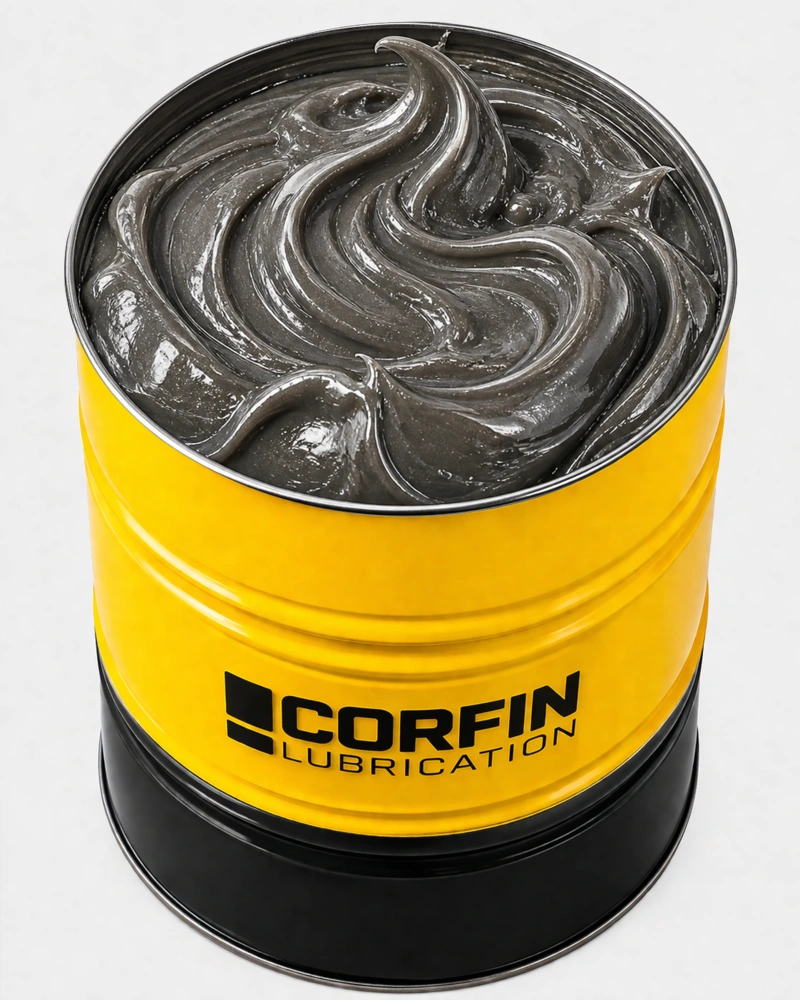
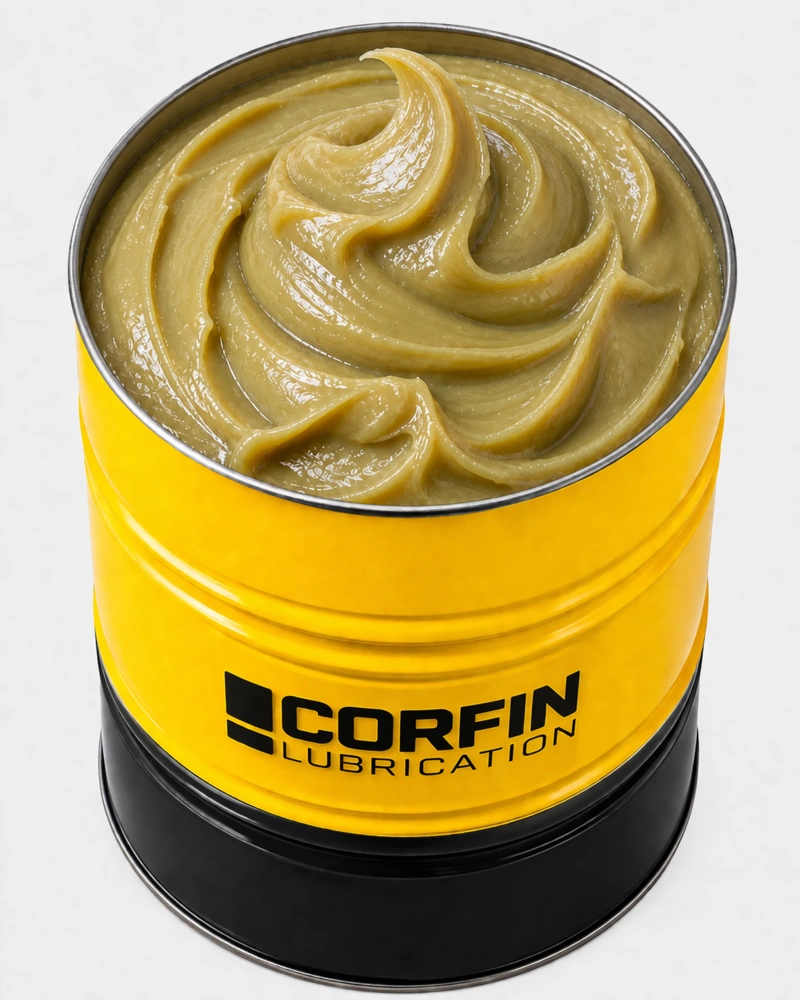
  • It has a very homogeneous structure with beige color

High Temperature Grease Usage Areas

In vibrating mechanisms where steel and plastic components are operated together,

In bearings and plain bearings operating at high temperatures in the iron and steel industry,

In the iron and steel industry with vibrating, high-speed and impact loads,

On conveyor beds with moving belts operating in harsh conditions,

Application Areas

It is suitable for use in bearings, sliding bearings, and vibrating mechanisms operating at high temperatures.

Technical Specifications

The technical specifications of STEELTHERM 461 grease, based on laboratory test results, are listed below. All values were measured under standard test conditions.

Analysis Standard Unit Result
Color Light Brown
Appearance Homogeneous
Thickener Polyurea
Base Oil Paraffinic Mineral
Base Oil Viscosity (cSt) at 40 °C ASTM D445 cSt 500
Operating Temperature Range °C -20 / 185
NLGI Grade 1
Penetration ASTM D217 mm/10 310 – 340
Dropping Point ASTM D2265 °C >240
Oil Separation (% by weight) 30 h / 100 °C ASTM D6184 %wt 6.50%
Oil Separation (% by weight) 7 days / 40 °C IP 121 %wt 0.01
Water Spray Loss (% by weight) 38.5 °C, 5 min, Max. ASTM D4049 %wt 45%
Rust Test ASTM D1743 Pass


High Temperature Grease Frequently Asked Questions

The concept of measurement is subjective when characterizing temperature conditions. Bearings operating in a steel rolling mill rolling table application may be exposed to process temperatures of several hundred degrees and may have to operate at continuous temperatures of 250ºF to 300ºF (120ºC to ±150ºC). Automotive assemblers hang painted metal parts on long conveyors and use large drying furnaces to dry the painted metal surfaces. The operating temperatures of these gas-powered furnaces are kept at around 205ºC (400ºF). In these two cases, the selection criteria differ significantly. In addition to heat resistance, the grease to be used in a hot steel mill application may require exceptional load carrying capacity, oxidation stability, mechanical stability, water washout resistance and good pumping capability, and an affordable price for large volume consumption. It is useful to have a grease selection strategy, taking into account all the important factors that need to be considered.
 

A reasonable starting point for selecting high temperature grease is to consider the nature of temperature and the causes of product degradation. There is a general relationship between the useful temperature range of a grease and its expected price. For example, a fluorinated hydrocarbon-based (synthetic oil type) grease can work effectively up to 300°C (570ºF) in aerospace applications but can be a bit expensive. The long-term behavior of the grease, especially mechanical (shear and tension) stability, oxidative stability and thermal stability are important causes of degradation. Oxidative and thermal stresses are interrelated. High temperature applications will often degrade grease through thermal stress in conjunction with oxidative failure that occurs when the product is in contact with air. This is an expected effect in most industrial lubricated applications. Selection should always be made with these behaviors of the grease in mind.
 

The materials chosen as oil thickeners can be organic, such as polyurea; inorganic, such as clay or sooty silica; or a soap/complex soap structure, such as lithium, aluminum or calcium sulfonate complex. The benefits of the grease over time depend on the package, not just the thickening system or the type of base oil. However, since grease performance depends on a combination of materials, it does not represent the useful temperature range. Some clay-thickened (bentonite) greases can similarly have very high melting points, with dropping points indicated in product data sheets as 500ºC or higher. For these non-melting products, the lubricating oil burns at high temperatures, leaving behind hydrocarbon and thickener residues. The organic polyurea thickener system offers similar temperature range limits to metal soap thickened grease. But in addition, it has anti-oxidation and anti-wear properties that come from the thickener itself. Polyurea thickeners may become more popular, but they are difficult to produce and require the handling of various toxic materials.
 

When selecting high temperature grease, follow these steps: Determine the actual temperature range. The operating temperature may be lower than it appears. Use a contact or non-contact sensor to measure the operating temperature of the grease. Are the machines intermittent or continuous? If continuous, look for a high-end product that meets operational requirements. Are heating and cooling cycles accompanied by machine operating intervals? Consider whether moisture is caused by the atmosphere or by contact. What is a reasonable relubrication interval or opportunity? If relubrication will be difficult, consider a premium product to achieve a lower cost of use, even though it is more expensive. Consider potential cosmetic issues. Can the product drip onto a component during operation? The frequency and volume of relubrication must be balanced against product contamination issues.


Related Products

Download Technical Documents

Please fill in your details to access the TDS and SDS files.

    Thank you! You can download the files below.